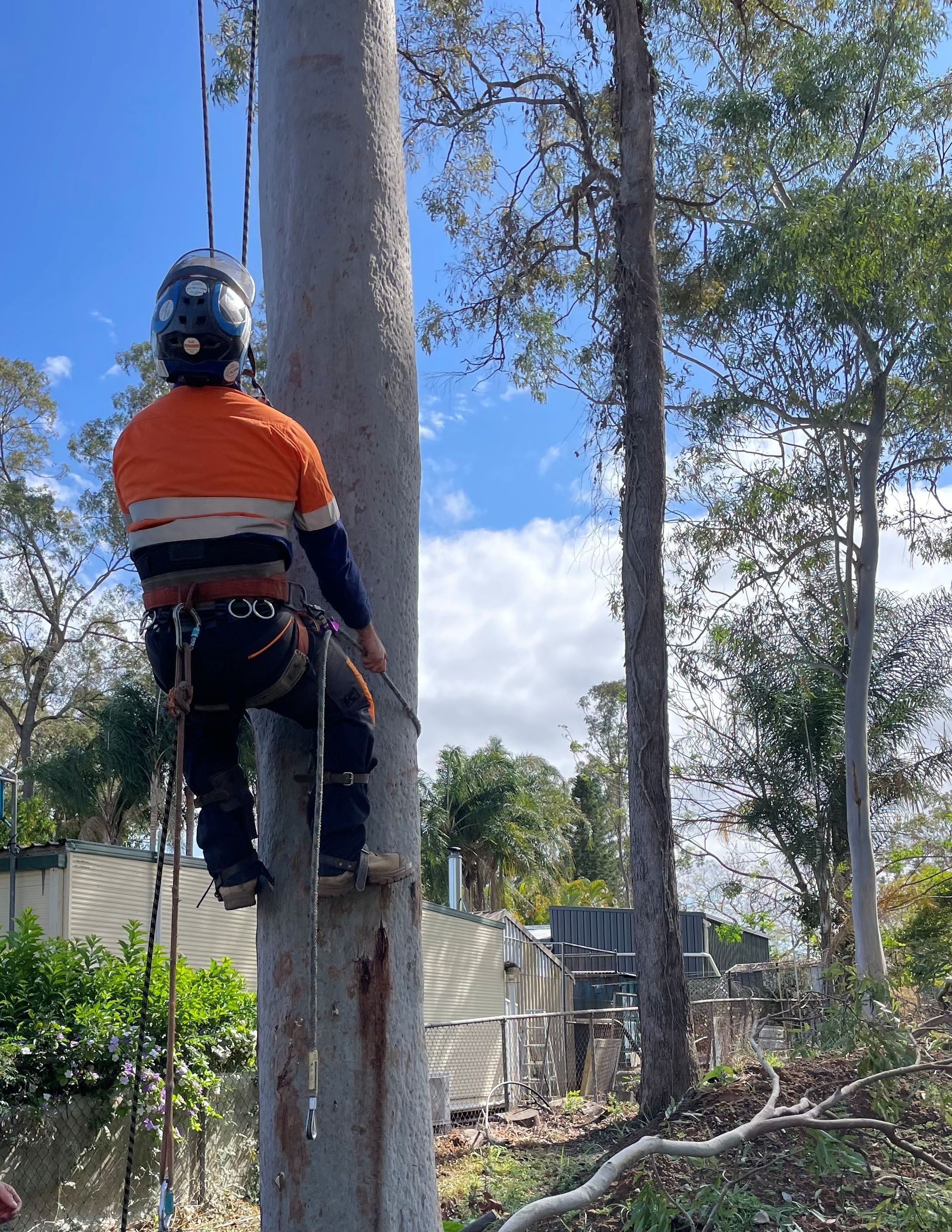
Why Are Gum Trees Called Widow Makers
The real reason gum trees drop branches without warning—and what it means for your safety
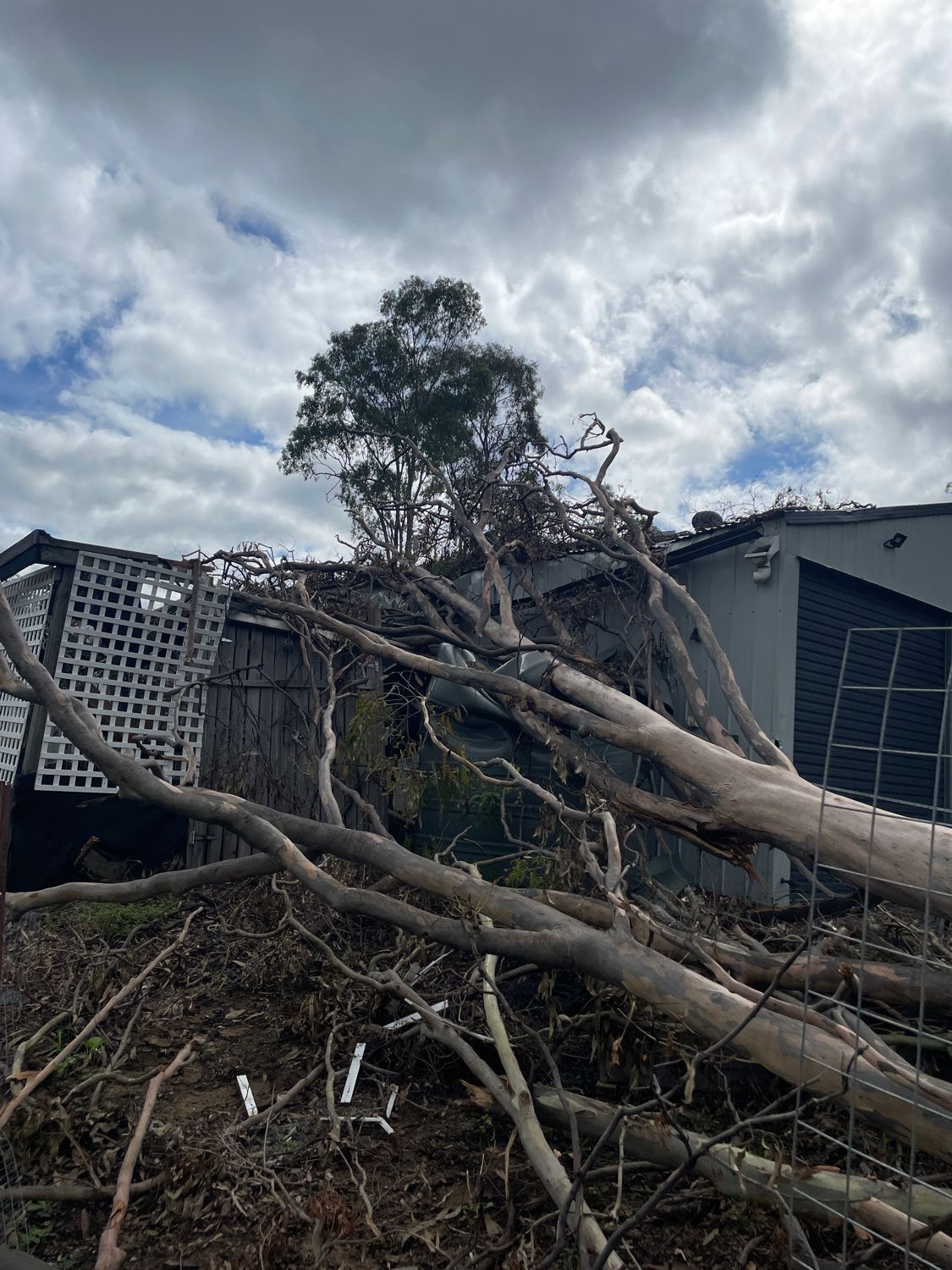
Gum trees are a defining feature of Sydney’s landscape, known for their height, resilience, and ability to thrive in tough Australian conditions. However, they also have a long-standing reputation for being unpredictable — and in some cases, dangerous.
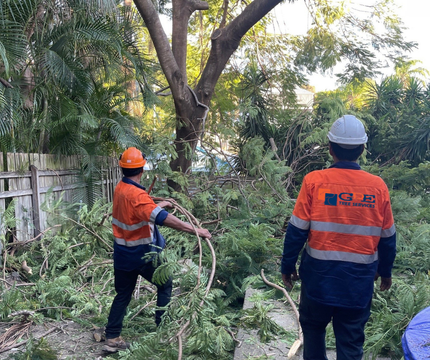
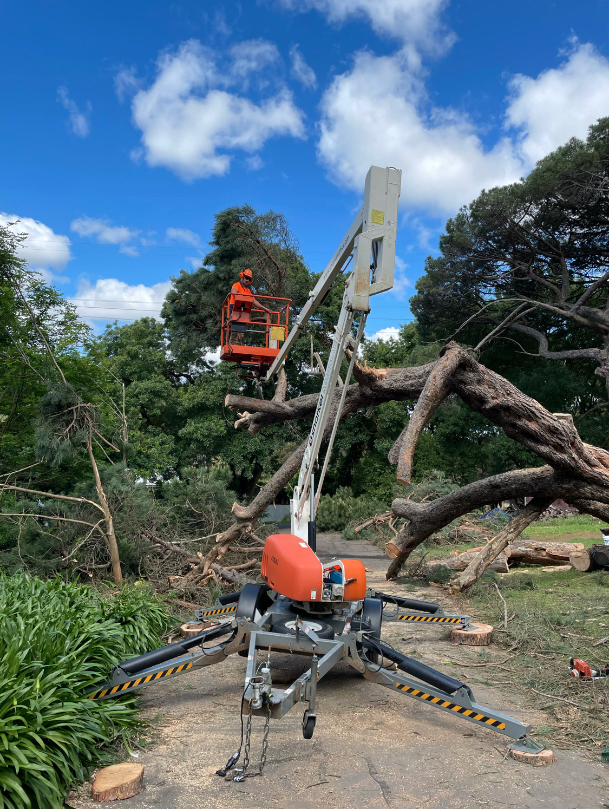
The term “widow maker” is often used when talking about eucalyptus trees also known as gum trees, and it’s not just an old saying — it reflects a very real risk. If you have a large gum tree on your property and are unsure about its safety, it’s important to have it properly assessed. GDE Tree Services Sydney are experienced Sydney tree loppers providing expert inspections, maintenance, and tree removal services across the region. For urgent situations, their team also offers fast-response emergency tree services Sydney, available 24/7.
Whether you’re in Parramatta, Liverpool, Penrith, Blacktown, Campbelltown, the Inner West, North Shore, Northern Beaches, Eastern Suburbs or Sutherland Shire, understanding why gum trees are called “widow makers” can help you better manage the risks around your property.
Where Did the Term “Widow Maker” Come From?
The phrase “widow maker” dates back to early European settlers and loggers working in Australia.
When cutting down trees, workers were often injured or killed by falling limbs or tree tops that broke away unexpectedly. If a worker was killed during the process, their spouse was left widowed — which is how the term originated.
Over time, the phrase became strongly associated with eucalyptus trees due to their tendency to drop branches without warning.
What Is Sudden Branch Drop?
One of the main reasons gum trees are considered dangerous is something known as sudden branch drop.
This is an arboriculture term used to describe the unexpected failure of a branch, often in completely calm conditions. There may be no wind, no storm, and no visible damage — yet a large limb can suddenly break away and fall.
This unpredictability is what makes gum trees particularly hazardous in residential areas.
Why Do Gum Trees Drop Branches?
Eucalyptus trees have several natural characteristics that contribute to this behaviour.
Self-Pruning to Conserve Water
During drought or periods of extreme heat, gum trees may shed branches to reduce the amount of foliage they need to support. This natural process helps the tree survive, but it can result in large limbs falling without warning.
Internal Decay or Pest Damage
Branches can weaken internally due to termite or borer infestation, fungal decay, or age-related deterioration. In many cases, the damage is not visible from the outside, making the branch appear healthy when it is actually compromised.
Height and Impact Risk
Many gum trees grow well over 30–40 metres tall. When branches fall from this height, they gain significant momentum, increasing the risk of serious injury or property damage.
Environmental Stress
Heatwaves, rapid temperature changes, and prolonged dry conditions can all place stress on the tree, increasing the likelihood of branch failure.
Whole Tree Failure: Another Risk to Consider
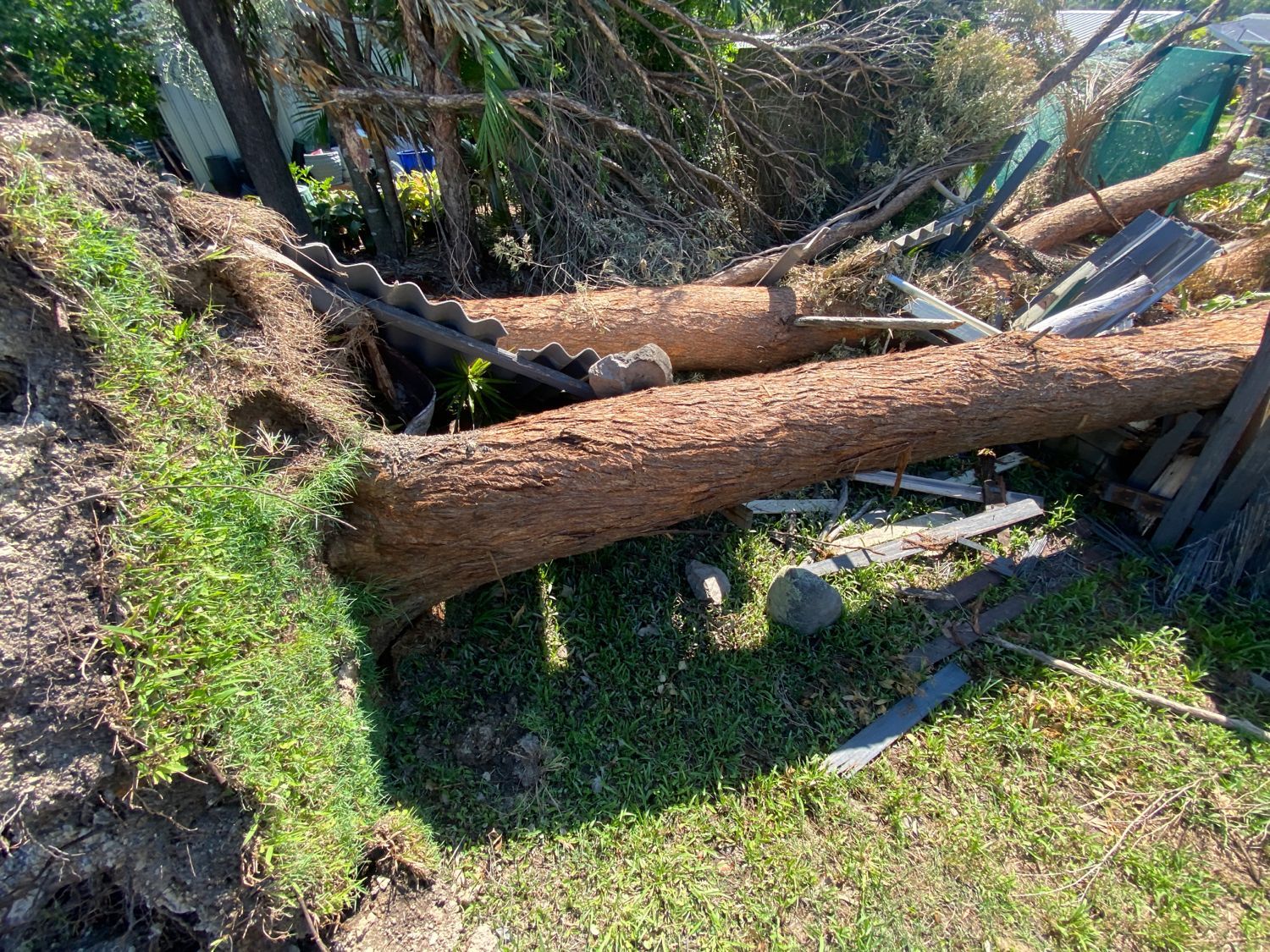
It’s not just branches that pose a risk — entire gum trees can fail under the right conditions.
Eucalyptus trees often have shallow, spreading root systems. While this supports rapid growth, it can also reduce stability in certain environments.
After heavy rainfall, when the soil becomes saturated, trees can lose their grip in the ground. Combined with strong winds, this can lead to complete tree failure.
Where These Risks Matter Most
“Widow maker” trees are especially dangerous when located near:
- Homes and structures
- Driveways and parked vehicles
- Outdoor entertaining areas
- Schools and public spaces
Even on still days, these trees can pose a genuine safety risk.
How to Reduce the Risk
While you can’t completely prevent natural tree behaviour, you can significantly reduce the likelihood of failure with proper maintenance.
✔️ Regular Arborist Inspections
A qualified arborist can identify structural weaknesses, decay, and pest damage before they become serious hazards.
✔️ Dead Wooding (Removing Dead Branches)
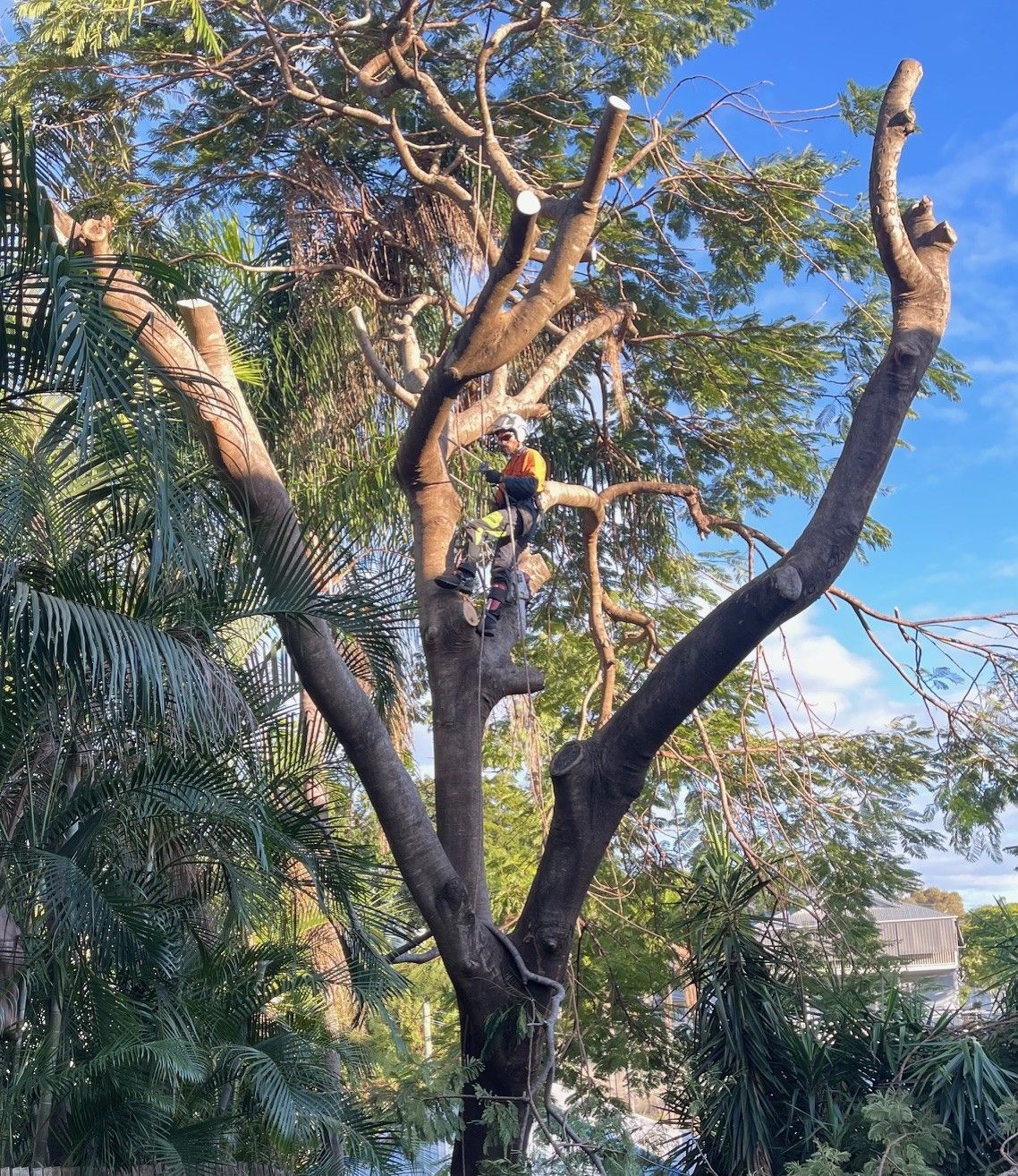
Dead wooding, also known as deadwood removal, involves removing dead, dying, or brittle branches that are more likely to fall unexpectedly. This is one of the most effective ways to reduce the risk of sudden limb failure in gum trees.
✔️ Strategic Tree Pruning
Targeted pruning helps reduce canopy weight and wind resistance, improving overall tree stability.
✔️ Remove High-Risk Trees
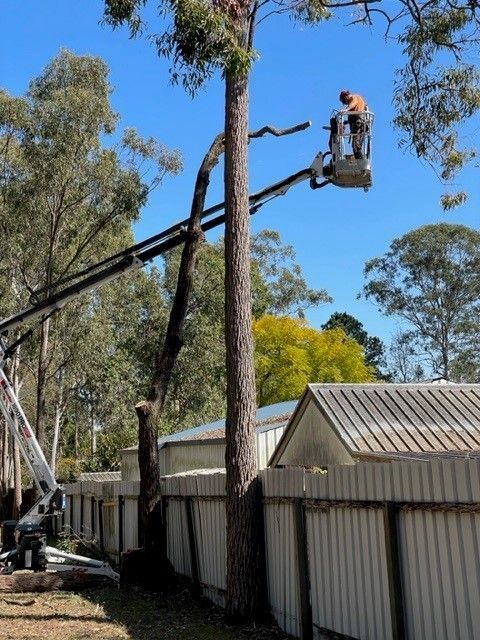
If a tree is structurally unsound, severely decayed, or located too close to structures, removal may be the safest long-term option.
✔️ Avoid High-Risk Areas
As a precaution, avoid parking vehicles or spending extended time directly beneath large gum trees, particularly during hot weather or after storms.
What Should You Do If a Tree Becomes Unsafe?
If a branch has fallen or a tree appears unstable:
- Keep a safe distance
- Do not attempt to remove it yourself
- Contact a professional immediately
GDE Tree Services Sydney provides 24/7 emergency response across Sydney.
📞
Call now: (02) 8072 8589
📧
quotes@gdetreeservicesnsw.com.au
Tree Removal Services Across Sydney
GDE Tree Services Sydney provides expert tree removal, arborist services, and emergency work across:
Tree Removal Inner West Sydney
Tree Removal North Shore Sydney
Final Thoughts
The term “widow maker” isn’t just a piece of history — it highlights a real risk associated with gum trees across Sydney.
Understanding how and why these trees drop branches can help you take preventative action and avoid serious damage to your property.
If you’re ever unsure about the condition of a tree, it’s always safest to have it assessed by a qualified Sydney Arborist.